
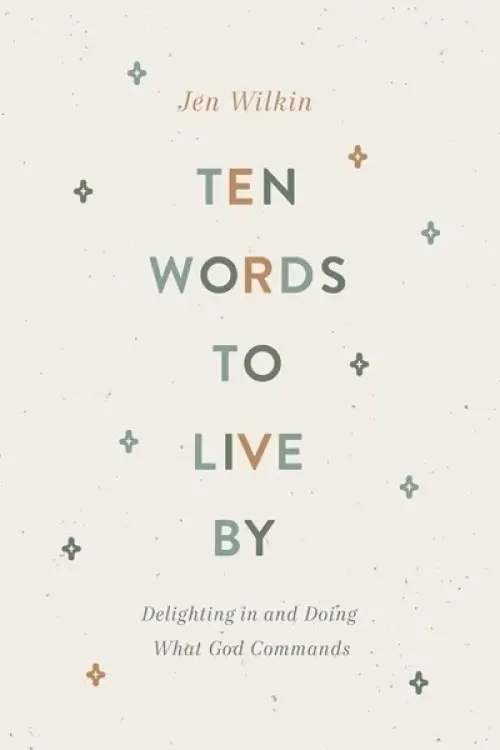
I’m not sure how you view the 10 Commandments. Whether you’re not familiar with them at all, or whether you had to learn them as a kid in Sunday School but they seemed like a bunch of dusty rules. They aren’t on cute tote bags or artsy coffee cups on Etsy. Nobody seems to quote them as their favourite verses. Perhaps one of the most well known but most misunderstood sections of the bible.
What was the main theme of the book?
As a Western society, we don’t particularly like rules these days. Authority is often seen as something to be mistrusted, and the concept of obeying rules seems downright old fashioned. We assume freedom and rules are the opposite, but in this book Wilkin develops her point that God’s rules are actually part of human flourishing and give us more freedom, not less.
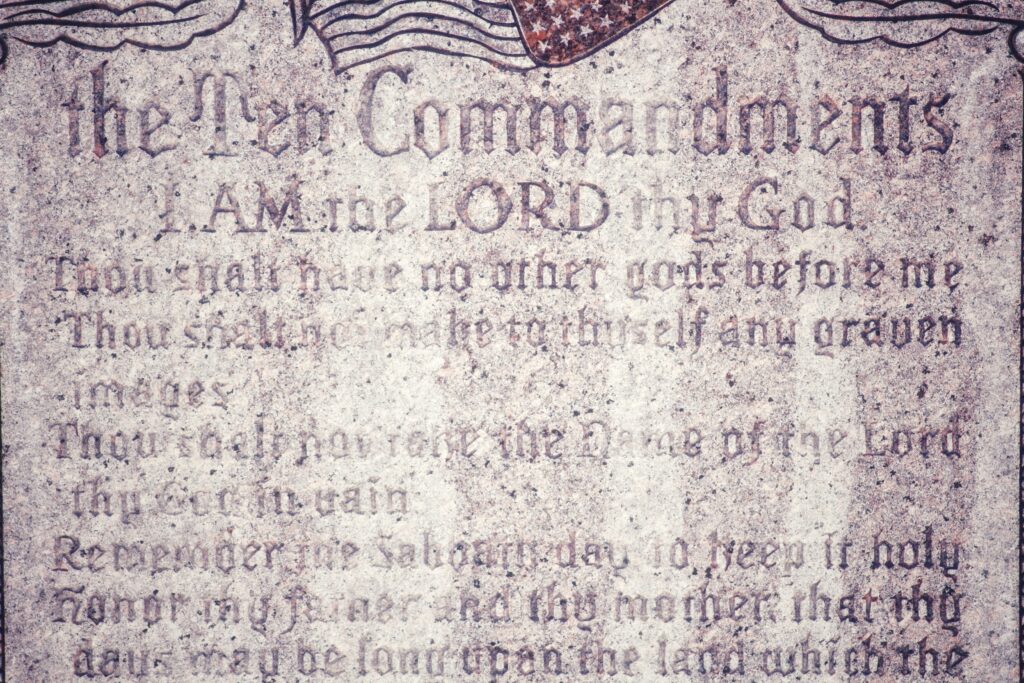
We were made to delight in God and his rules, and when we do, they always result in loving other people better. They’re not just about us stopping us from doing bad things, but teaching us how to love God and our neighbor well. Wilkin doesn’t try to write off the rules, or say ‘it’s really all about relationships rather than rules’.
“Christianity is about relationship with God and others, and because this statement is true, Christianity is also unapologetically about rules, for rules show us how to live in those relationships. Rather than threaten relationship, rules enable it”
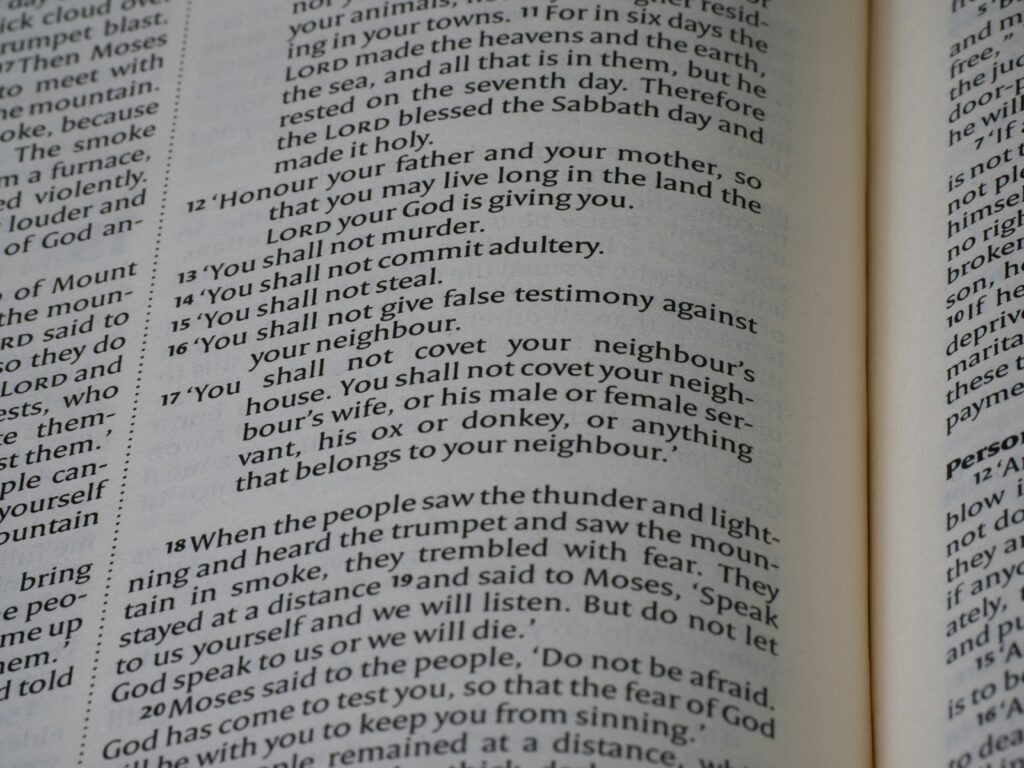
She takes each negative commandment and spends a chapter looking at what it meant for the Israelites and looks beyond it – what positive obedience would look like. For example, in chapter six ‘do not murder’ she looks not only at not causing harm but protecting life. Caring for the sick, the elderly, the unborn or those with additional needs. What would society look like if we did that, instead of causing harm to each other?
“Because we are accepted in the beloved, we will not be content to simply be not-murderes or not-contemptuous or not-angry. We will not merely refrain from taking life – we will run towards giving it. Let us read in the sixth word’s prohibition of murder the exhortation to take every care to preserve life. Let us run to be life-protectors and esteem givers and peacemakers. “
Who is the intended audience for the book?
This book is for anyone who thinks they know the 10 Commandments already. For those who struggle to understand how rules could fit with a God of grace. For those who think they’re actually a pretty good person. For teenagers who think Christianity is just a bunch of old rules. For parents who are trying to teach their children about God’s character. It’s for all stages of life – we all need to understand God’s heart more.
What changed for me?
I always like to be challenged on my thinking and I have to confess the 10 Commandments were just a list of (good) rules in my head and had never gone beyond that. I really feel this book opened my eyes to see these rules as for human flourishing and a way to delight in the God who knows us. I moved from thinking ‘Do I really struggle with this commandment’ to ‘Wow, this is such a heart battle for me, I love that God is opening up my eyes to this and I want to change’
And I love how each command was developed from the obvious to what it would really look like if we lived this commandant out fully. But don’t read this book if you want to retain some sense that you’re a good person. Anyone who has read the 10 Commandments and thought ‘ok well at least I know I don’t struggle with this one’ will get seriously challenged by this book. It will take away any misconception that some of them don’t apply to you. It will show all your respectable sins, even those deep in our hearts.
The only thing I’d say is I got a lot more from it the second time. I think it needs to be read a bit slower to really focus on each chapter. So even if you have read this book before, it’s worth a revisit for sure.